
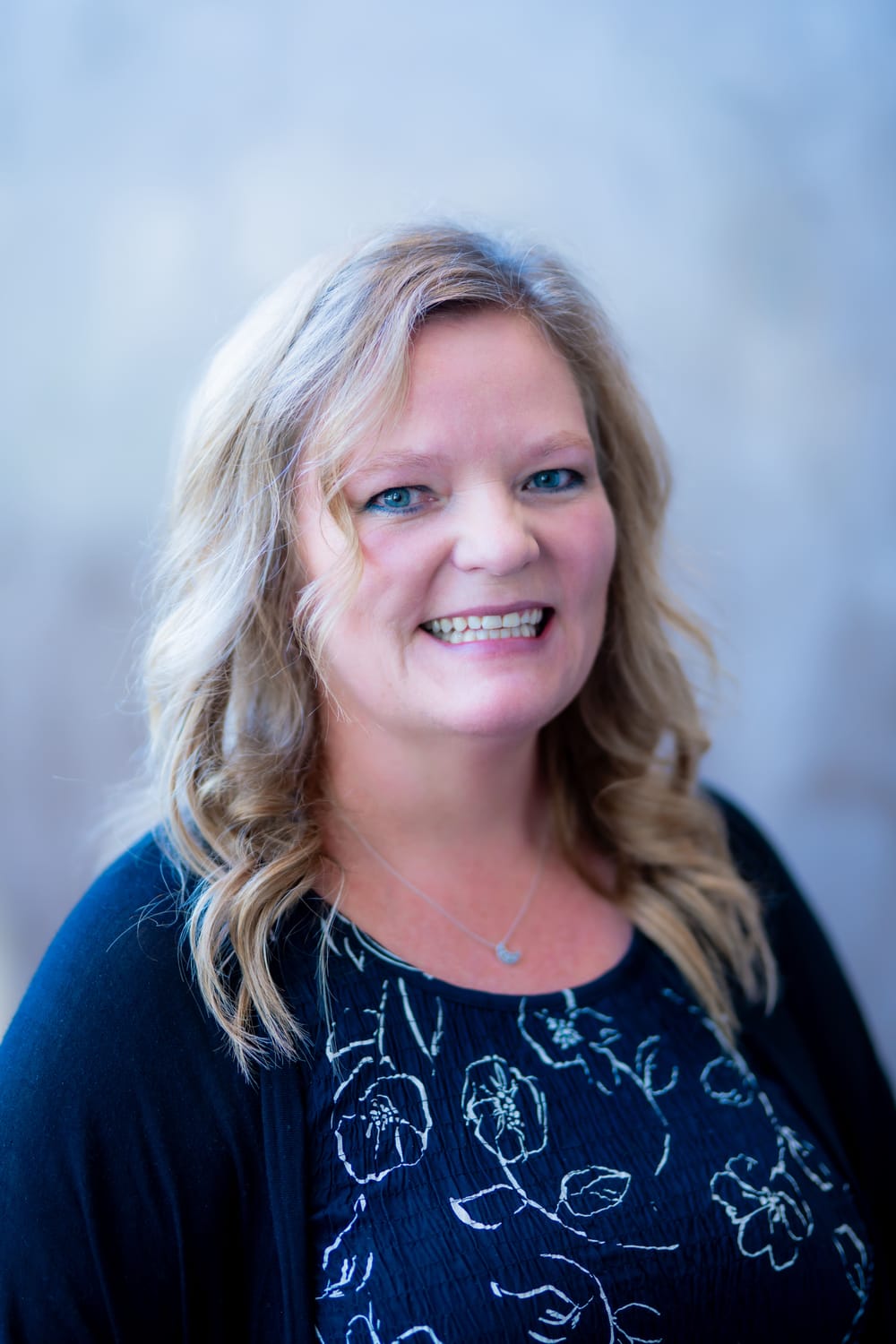
I’m Heather
WHY I DO THIS WORK
I didn’t arrive at this work academically or theoretically. I arrived here because I needed it myself.
For years, I cycled through periods of sobriety and relapse, even with support groups, insight, accountability, and a real desire to change. And honestly, that was part of what made it so confusing.
I wasn’t in denial. I wasn’t refusing help. I wasn’t unaware of the consequences. If anything, I was thinking about it constantly. From the outside, it looked like I should have been able to stop. I understood what I was supposed to do. I just couldn’t consistently do it.
That confusion eventually led me to a different question. Not: “What’s wrong with me?” But: “What is missing?”
What I eventually realized is that this wasn’t only true for me.
I began seeing the same pattern everywhere: people desperately wanting to change, families trying to help, everyone working harder, while the underlying system driving stress, cravings, instability, and emotional overwhelm remained unaddressed. That realization became the foundation of my work today.
I don’t replace psychology, community, therapy, or purpose.
I make them more possible.
Many recovery approaches focus on behavior first without fully addressing whether the brain and nervous system have the capacity to sustain change.
My work focuses on rebuilding the biological foundation recovery depends on so the other pillars of healing can finally hold.

Addiction isn’t just a bad habit
Addiction and chronic stress physically affect the brain and nervous system.
Over time, the systems involved in emotional regulation, stress tolerance, motivation, sleep, cravings, mood stability, and follow-through can become deeply dysregulated. And when those systems are overwhelmed, insight alone often isn’t enough to sustain change.
That doesn’t mean people don’t care. It doesn’t mean the desire to recover isn’t real. It means the biology underneath behavior may no longer have the capacity to consistently support recovery.
And because addiction rarely affects one person alone, those patterns often ripple outward into relationships, families, and the nervous systems of the people trying hardest to help.
How my perspective changed
For a long time, I believed recovery was primarily about trying harder. More discipline. More insight. More accountability. More control.
But eventually I realized something deeper was happening. The brain itself had changed. Stress physiology had changed. Sleep had changed. Emotional regulation had changed. The nervous system had changed.
And once I began understanding the biological side of addiction and recovery, my understanding of healing changed with it.
I stopped asking: “Why can’t people just follow through?” And started asking: “What systems underneath behavior are no longer functioning well enough to sustain change?”
That question still shapes all of my work today.

Before we go any further
Here's my background and training:
Core
Founder of Brain Body Recovery™
Addiction Recovery Nutritionist
Education
MPA, Princeton University
MS, Purdue University
Certifications
Certified Level 2 Recovery Nutrition Coach (CRNC2)
Somatic Stress Release Therapist
Nutritional Therapy Practitioner
Professional Affiliations
Member of the Alliance for Addiction Solutions
Member of the Nutritional Therapy Association
Member of the Center for Nutritional Psychology
Speaking
Speaker, Feed the Recovering Brain Conference (Alliance for Addiction Solutions) - Biochemical Recovery in Action
Speaker, HealCon (Nutritional Therapy Association) - Fueling Recovery: How Amino Acid Therapy and Nutrition Rebuild the Addicted Brain
Media & Publications
Published author of Primal Nutrition: Ancestral Recipes from the Desert to the Table
Featured on Dubai 1 News, Time Out Abu Dhabi, The National, and Gulf News
Start with a Conversation
If this approach resonates, the next step is understanding what your brain needs. Whether you are struggling yourself or trying to help someone you love, healing often becomes more possible when the systems underneath stress, emotional regulation, and recovery finally receive support.